Prepare your Shopify Black Friday acquisition plan
Choose the channels, pages and creative that fit your products and budget.
Choose the channels you can afford to learn from
Your store needs a viable customer path before it needs every traffic source.
| Channel | Prioritise when | Hold back when |
|---|---|---|
| Google Search / Shopping | Relevant search demand, sound feed and working purchase data. | Thin margin, disapprovals or a broken destination. |
| Meta paid and organic | You can demonstrate a buying reason with distinctive creative. | No proof, no usable assets or no room to fund learning. |
| Pinterest paid and organic | Your range fits visual planning and searchable use cases. | You need immediate cash from a cold launch. |
| TikTok website campaigns | You can produce credible demonstrations and manage the test. | Creative capacity or measurement is missing. |
| TikTok Shop | Stock, fulfilment, service and commissions work as a separate channel. | You cannot support the marketplace operation. |
| SEO and AI discovery | Useful product information and technical access need improving. | You are treating a November edit as guaranteed peak traffic. |
Put a boundary around a paid test
Illustration: with £16.15 allowable media per order and a 2% paid-click-to-order assumption, the implied CPC ceiling is about £0.32. At £0.60 CPC the same conversion assumption implies £30 media per order. The sums expose a gap; they do not predict conversion or auction prices.
Recommendation. Agree a loss limit, intended audience, relevant landing page and review date. Use the mature account first. If the budget cannot support a useful test and normal trading, postpone the extra channel.
Prepare the pages and product data
Help a shopper find the right offer and understand the product before they arrive at the cart.
Your sale destination
Use a stable URL such as /collections/black-friday, publish it early, and link to it from relevant navigation and pages. Google recommends recurring event URLs rather than starting again every year. Update the content, offer dates and availability for the current event. 5
- Keep important products reachable through normal links and useful collection filters.
- Check indexability, canonical URLs, broken links, redirect chains and accidental noindex rules.
- Write specific page titles and descriptions that match the collection and live offer.
- Use original buying advice when it helps customers compare your products, not a large set of near-identical seasonal pages.
Your product information
Check identifiers where applicable, titles, variants, images, prices and availability. Include the details customers compare: material, size, compatibility, care, use case and what comes in the box. Keep website data, structured data and feeds consistent.
Review Merchant Center diagnostics, free-listing eligibility, shipping, returns and promotion approval before peak. A sale displayed on your website is not proof that every shopping placement has updated. 6
Verification. Inspect the live mobile destination and the products actually being shown by the channel. Record any rejected products, price mismatches or inaccurate availability and assign them to an owner.
A sale price and an automatic checkout discount are different mechanisms. Google currently lists automatic Shopify discount syncing as US-only, so a UK store must check its supported promotion route. Verify approval and the live listing; a working checkout discount does not prove the saving is showing on Google. 45
Do this in the account. Inspect the sale URL in Search Console, check indexability and the canonical. Validate product structured data and inspect Merchant Center issues. A successful test or recrawl request does not guarantee indexing, rich results or rankings.
Make the information useful and accessible
Treat AI discovery as an extension of accurate product information, useful content and sound technical SEO.
Answer real buying questions: who the product suits, what it is compatible with, how it differs from another option, what it costs to receive and how returns work. Use genuine product evidence and customer reviews. Google says established SEO practices remain relevant to its generative search features; special AI files or special schema are not prerequisites. 7
Distinguish discovery from a sales channel
AI mentions, referral visits, your website checkout and an agentic shopping integration are different outcomes. Shopify currently requires a store to sell to US customers for its ChatGPT channel, although the business may be based elsewhere. A UK-only merchant should not assume eligibility. 10 11
| Control | What to understand |
|---|---|
| OpenAI search | OAI-SearchBot relates to ChatGPT search access. |
| OpenAI training | GPTBot is a separate training control. Its permission is independent of the search setting. |
| Google-Extended | Does not determine Google Search inclusion or ranking. |
| Store access | Check relevant robots rules, delivery of important content and live price/stock data. |
OpenAI and Google document these distinctions. Avoid unblocking every AI-related crawler as a generic visibility instruction. 8 9
Measure carefully. Track identifiable referrals, landing pages and orders, but recognise that analytics may not reveal every earlier AI interaction. A few manual searches or a vendor score are not a dependable ranking or sales forecast.
Recommendation. Fix useful product detail, crawl access and feed errors before buying a visibility score or commissioning large volumes of AI-written pages. These controls improve the information available; no inclusion or sales result is guaranteed.
Prepare Google Ads around products and economics
Improve an account that already works before adding more campaign types.
Before increasing spend
- Resolve product-feed disapprovals and confirm eligible sale prices and promotions.
- Check purchase tracking and values, including tax and shipping treatment.
- Review the products driving contribution, returns and stock pressure.
- Make Search adverts, Shopping/Performance Max assets and landing pages describe the same offer.
- Review brand and non-brand demand, irrelevant queries, product exclusions and destination relevance.
- Agree daily spend limits, who can change them and what evidence triggers a change.
Search can capture expressed demand. Shopping and Performance Max depend heavily on accurate product data and useful assets. YouTube and Demand Gen can support discovery when you have suitable creative, measurement and budget. A small store does not need every format to be ready. 12
Avoid a last-minute rebuild
Allow time to understand the effect of major bidding, structure or conversion changes. Keep a change log. Use your own contribution target and customer mix to choose bidding objectives, rather than copying another brand’s ROAS target.
Seasonality adjustments are an advanced tool for expected major conversion-rate changes, typically short events. Google says ordinary seasonal events are already handled by Smart Bidding. A Black Friday date alone is not a reason to apply an adjustment. 13
Budget and attribution. A daily budget is a spending control, not proof of demand. Use your product margin and contribution view to judge aggregate spend. Check brand traffic and returning customers before calling a high reported ROAS new-customer growth.
During the sale. Check price/stock mismatches, spend pacing and conversion delay before reacting to a short interval. Pause broken destinations and unavailable items promptly; avoid changing several settings at once without a clear reason.
Get Facebook and Instagram ready for the offer
Use Facebook and Instagram content to demonstrate value and answer the objections that stop a purchase.
Paid preparation
- Check account access, billing, domain and conversion connections before launch.
- Use the sales objective and optimisation appropriate to the account and purchase journey.
- Confirm catalogue items, variants, prices and stock match the website.
- Prepare distinct demonstrations, customer proof and offer explanations in suitable placements.
- Review customer exclusions and acquisition reporting against the business goal.
- Set budgets and review rules using contribution and stock, without a universal prospecting/retargeting split.
Organic preparation
Plan Reels or short demonstrations, product comparisons, customer questions, founder explanations and Stories that link directly to the relevant offer. Show the product in use. Explain delivery and returns where they affect the decision. Obtain permission to reuse customer or creator material.
Use comments and messages to collect objections and improve the page people land on. An approved comment-to-DM tool can offer an early-access sign-up, but a comment is not itself permission for email or SMS. Make each channel choice explicit.
Match the landing page to the advert
An advert for a specific bundle should arrive at that bundle or a tightly relevant collection. Keep the price, saving, availability and conditions easy to verify. The product still needs to make sense when the shopper has never heard of the brand.
A practical creative brief. For one product, try different buying arguments: a demonstration, a real comparison and a gift use case. Keep the offer and landing page consistent. Meta recommends creative diversification; the number of ads and budget should fit the account. 37
Check the connection. Use Shopify’s official integration guidance to review pixel/CAPI behaviour and data sharing. Avoid adding a second tracker simply to address a reporting discrepancy. 4
Use Pinterest for useful product discovery
Give shoppers something relevant to search for, save and visit. Plan for discovery that may happen before the sale.
Organic content
Create Pins around genuine use cases and buying questions: gift ideas by recipient or budget, how to use a product, a room or outfit combination, or a comparison within your range. Use clear titles and descriptions, readable creative and the right destination. Keep boards coherent and product information accurate.
Paid content
Review catalogue approval, product groups, shopping formats, conversion measurement and the destination before spending. Match targeting and creative to the job: discovering a suitable product, comparing options or acting on the live offer. Pinterest’s seasonal checklist emphasises foundations, testing and monitoring. 14
| Check | Evidence |
|---|---|
| Catalogue | Promoted items are approved and price/availability agree with the store. |
| Measurement | Relevant events have been tested and consent behaviour reviewed. |
| Creative | Product and offer remain legible on a phone. |
| Destination | The customer sees the featured product and conditions immediately. |
| Evaluation | Look beyond saves to qualified visits, orders and contribution over an appropriate window. |
For a store starting from zero in November, prioritise a small, relevant test with realistic expectations. Organic Pins can remain useful beyond the event, but immediate sales are not assured. Existing customer and search data can help choose the first products to feature.
Create for the placement. Use a clear vertical product image and check current format specifications. For a standard Pin, Pinterest recommends a 2:3 image such as 1000 x 1500 pixels. Test the actual mobile crop and destination; paid and organic results need separate evaluation. 38
Separate website sales from TikTok Shop
The creative can look similar while the operational responsibilities are very different.
Organic and website advertising
Build short videos around a recognisable product question or demonstration. Show the item early, demonstrate what matters, and finish with a clear next step. Creator content, useful comparisons and responses to customer questions can provide material for both organic discovery and paid testing. Secure the relevant usage and advertising permissions.
For website campaigns, test the pixel/Events API connection, catalogue where used, purchase values, mobile destination and consent behaviour. Spark Ads can promote eligible organic or creator posts; select formats based on the actual account and objective. TikTok’s guide covers creative, measurement and preparation. 15
If you sell through TikTok Shop
- Check eligibility and current UK seller policies inside Seller Center.
- Model platform charges, creator commissions, promotions and returns in the contribution calculation.
- Confirm catalogue ownership and variant-level stock synchronisation.
- Check fulfilment, dispatch, cancellation and return obligations for the shipping programme used.
- Assign an owner to comments, messages, disputes and creator coordination.
- Rehearse order and stock handling before a large creator or live activation.
UK programme rules and deadlines can vary. Use the current policy centre for the actual account and shipping route; do not copy US campaign dates or service rules. 16
Compare the full Shop order cost. Include platform fees, creator commission, seller-funded vouchers, delivery subsidy, returns and any content fees. Run website and marketplace contribution separately. Confirm UK account terms before deciding the channel is profitable.
Choose the level you can support. An established store can prepare a focused website-content test without opening a new marketplace operation. A Shop launch needs its own commercial and operational readiness check.
Grow an audience you can reach again
Choose the sign-up promise and follow-up before paying to acquire another email address.
A useful early-access list, gift preference or product-specific waitlist gives someone a reason to subscribe. Explain what they will receive. Use a clear embedded form and an appropriately timed overlay or teaser where it helps; avoid interrupting checkout or repeatedly asking existing subscribers.
Creator and partner brief
| Agree in writing | Include |
|---|---|
| Audience and product | Why the partnership is relevant and which item is genuinely available. |
| Deliverables | Format, dates, approval process and destination. |
| Commercial terms | Fee, sample, commission, returns treatment and payment. |
| Rights and disclosure | Where content can be reused, advertising permissions, duration and required disclosure. |
| Measurement | Tagged links, codes where needed, lead source and order contribution. |
Keep the first welcome message consistent with the source. A subscriber promised early access should immediately understand when that opens and what happens next. Give email and SMS separate choices. Keep evidence of consent and reliable unsubscribe handling. 23
Evaluate quality
Track eligible leads, engaged visits, first orders, unsubscribes and contribution by source where available. A cheap sign-up from an irrelevant giveaway can create sending cost and deliverability problems. A smaller list of interested prospects can be more useful than a large unqualified audience.
Keep the promise precise. A request for an early-access reminder or a download does not automatically authorise unrelated ongoing email or SMS. Record the actual choice and keep channel-specific permissions. Permission rules are covered in the email chapter. 23
Build a creative plan around real questions
Keep the offer constant while you test how to explain its value.
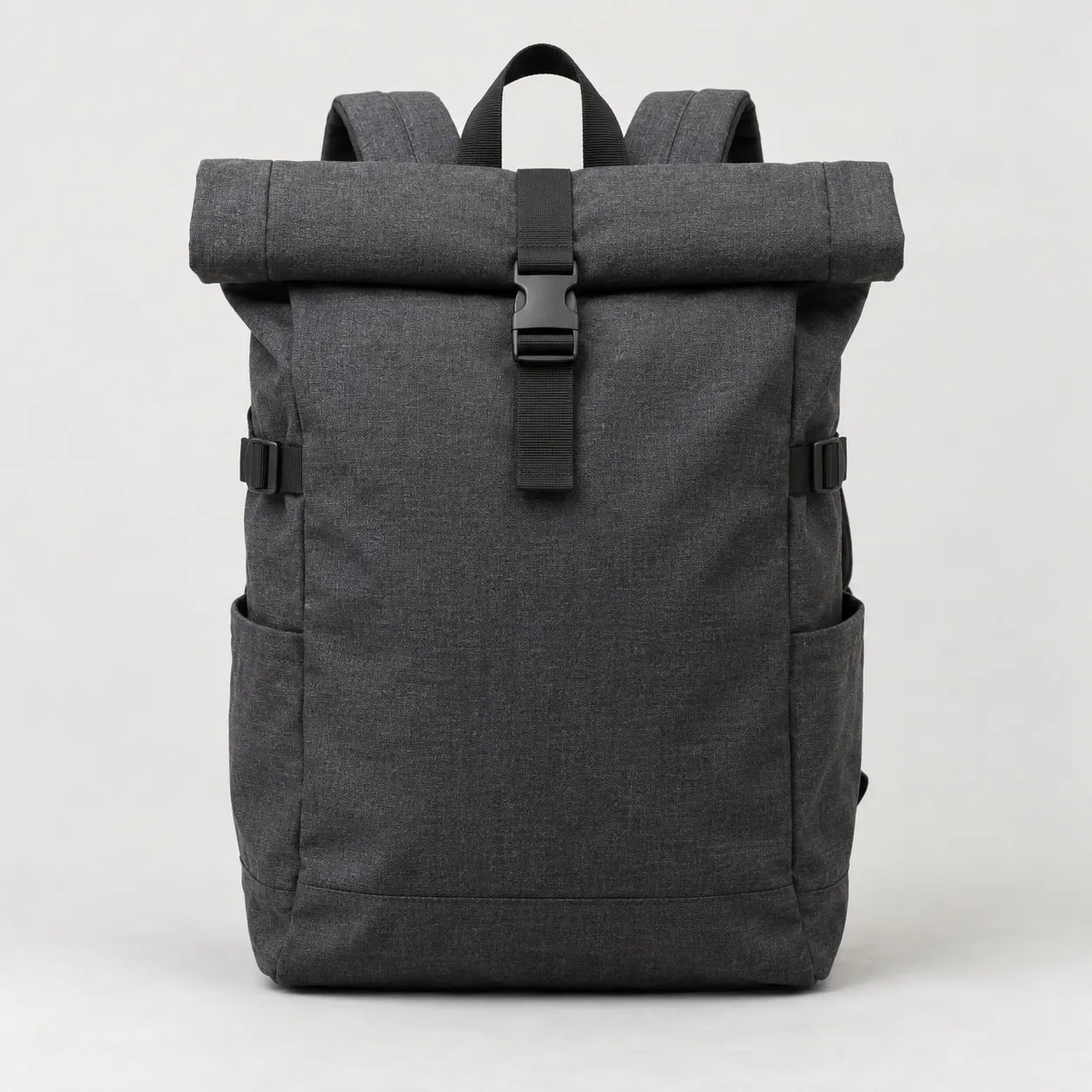
Show the product

Show it in use

Show the detail
| Buyer need | Question | Evidence to show |
|---|---|---|
| Buying a gift | Will this suit the person and arrive in time? | Useful recipient guidance, accurate arrival information and gift presentation. |
| Buying for themselves | Is this worth the money? | Product demonstration, materials, relevant comparison and credible reviews. |
| Returning customer | What is different or useful for me? | A complementary product, meaningful access or a relevant benefit. |
Brief the audience, buying reason, objection, proof, offer, format, destination and owner.
A simple content sequence
- Before launch: demonstrate the product and answer buying questions.
- At launch: explain the offer, range and saving.
- During the event: show proof, comparisons and relevant availability.
- Near the deadline: state the genuine end time and delivery promise.
- After purchase: help the customer use the product.
Keep assets, usage rights and version dates together. Check placement, captions, text and links on a phone.
A test needs a decision. Set the objection, creative argument and purchase/contribution measure. Click-through rate helps diagnose an asset; use order economics to judge profitability.
Sources for this chapter
- [04] Shopify: Meta data sharing
- [05] Google Search Central: Sales page URLs
- [06] Google Merchant Center: Major shopping events
- [07] Google Search Central: Generative search guidance
- [08] OpenAI: Search and training crawlers
- [09] Google: Crawler controls
- [10] Shopify: Agentic storefronts
- [11] Shopify: ChatGPT channel requirements
- [12] Google Ads: Peak retail preparation
- [13] Google Ads: Seasonality adjustments
- [14] Pinterest: UK seasonal checklist
- [15] TikTok for Business: Black Friday advertising
- [16] TikTok Shop: Seller policy centre
- [23] ICO: Electronic marketing rules
- [37] Meta: Creative diversification
- [38] Pinterest: Creative guidance and specifications
- [45] Google Merchant Center: Shopify sale prices and promotions
Source review: 23 October 2026. Check current settings and availability before launch. The worked examples are illustrative, not client performance.
Put the plan to work
Use the PDF and editable workbook to assign the unfinished work. Enter your email in the download panel to get both files. Ongoing advice emails are optional.
Get the Black Friday guide and workbook
A 36-page PDF and an 11-tab Excel workbook to plan the offer, campaigns, stock, store checks and customer follow-up.
Development mock: nothing was sent to Klaviyo and no request was recorded.
Your downloads are ready.
Download the guide and workbook below. Start with the twelve checks, then add the unfinished work to the Actions tab.